


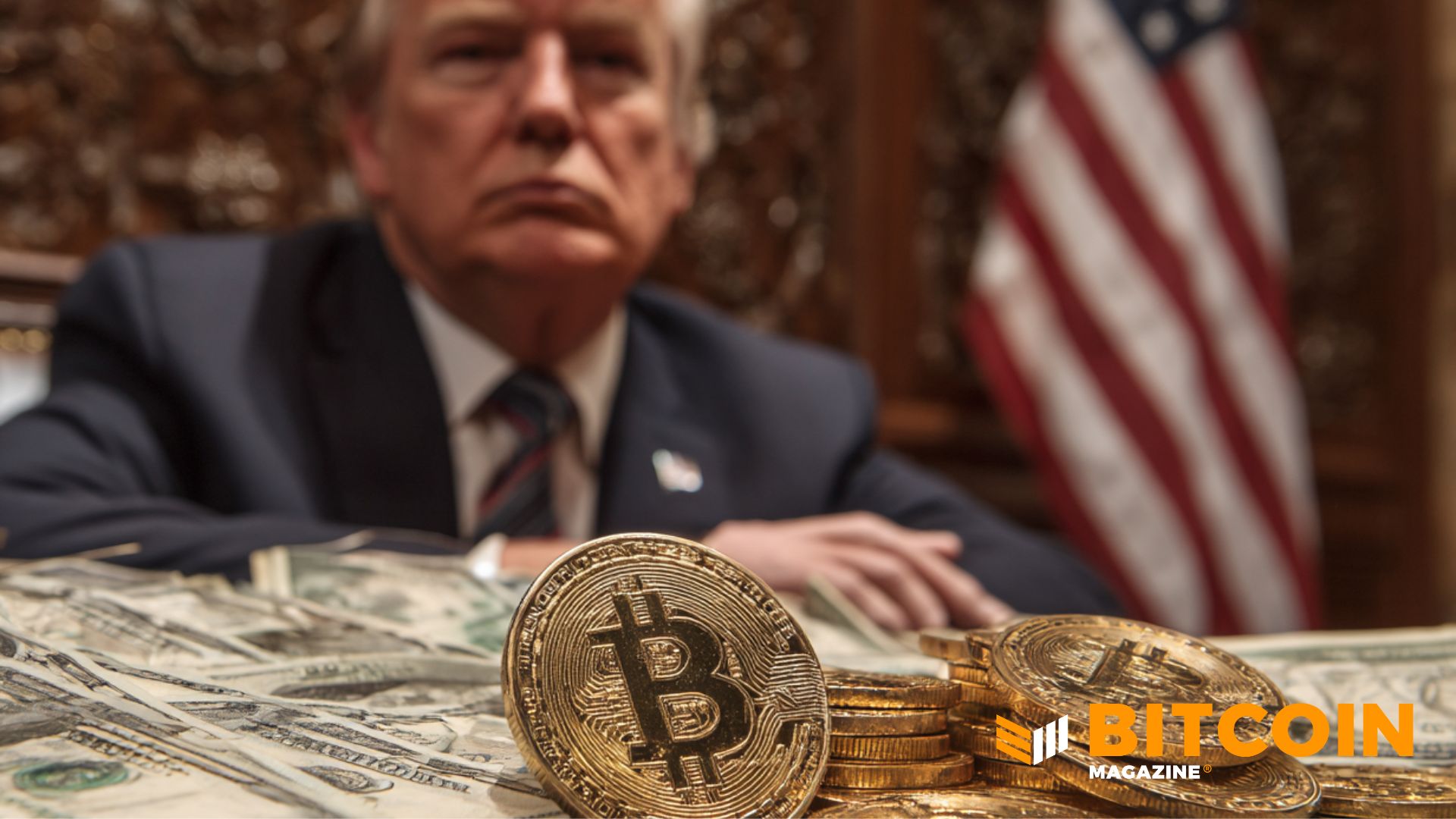



As Treasury Secretary Scott Bessent testified before the House Financial Services Committee Wednesday morning, Rep. Brad Sherman pressed Bessent over whether the U.S. government could ever step in to “bail out” bitcoin.
Bessent was presenting over the Financial Stability Oversight Council’s annual report on emerging economic risks and much of the comments and questions from the Council reference the Trump administration growing scrutiny over its economic agenda.
During a tense exchange, Sherman referenced the 2008 financial crisis and argued that bailouts have historically protected powerful institutions when markets collapse.
He asked whether Treasury or federal financial regulators could take similar action for bitcoin, including directing banks to buy BTC or changing banking rules to encourage crypto holdings.
Bessent rejected the premise outright. “I am Secretary of the Treasury. I do not have the authority to do that,” he said, adding that neither the Treasury nor his role as chair of the Economic Stability Oversight Council provides power to order banks to invest in BTC or to allocate public funds into crypto assets.
Sherman attempted to clarify whether taxpayer money under Treasury management could ever be deployed into BTC, but Bessent emphasized that the government’s current BTC exposure comes only through law enforcement seizures, not investment decisions.
“We are retaining seized bitcoin,” Bessent said. “That is an asset of the U.S.,” he later said.
Bessent then elaborated on that point, noting that retained bitcoin from past seizures has appreciated significantly over time.
He cited an example in which roughly $500 million in retained BTC later grew into more than $15 billion in value, underscoring bitcoin’s potential upside even as policymakers remain skeptical of direct government involvement.
The exchange ended when the chair cut Sherman off after his allotted time expired.
Bessent: U.S. will stop selling bitcoin
Earlier this year, Bessent said the U.S. government’s stance is to stop selling seized BTC and instead add it to the Strategic Bitcoin Reserve.
Speaking at the World Economic Forum in Davos, he framed the move as part of a broader push to bring digital-asset innovation back to the U.S.
The comments came amid questions over BTC seizures tied to cases involving Tornado Cash and Samourai Wallet developers.
While declining to discuss active litigation, Bessent stressed that seized BTC will be retained by the federal government once legal damages are resolved.
Any selling of BTC would contradict Executive Order 14233, which requires forfeited bitcoin to be held in the U.S. Strategic Bitcoin Reserve rather than liquidated.