


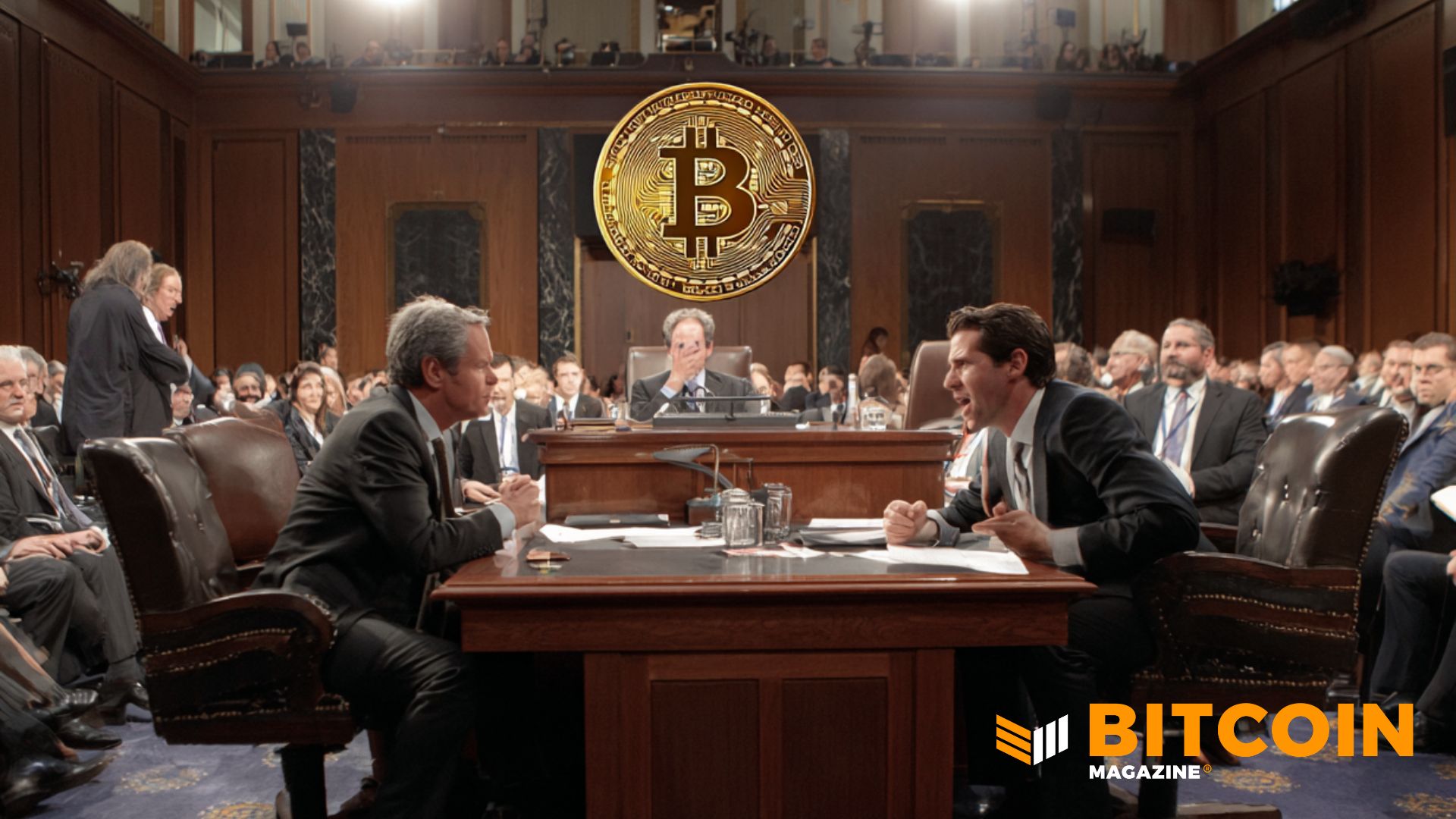


In a narrowly divided party-line vote, The U.S. Senate Agriculture Committee advanced its version of crypto market legislation in a 12-11 vote Thursday, marking a milestone in congressional efforts to finally legislate comprehensive crypto market structure rules.
All Democrats on the committee opposed the motion, citing substantive disagreements over ethics provisions, consumer protections, and the independence of the Commodity Futures Trading Commission (CFTC).
Chairman Sen. John Boozman (R-Ark.) opened the markup by touting months of negotiations and “substantive, cordial conversations,” but acknowledged that “fundamental policy disagreements” remain.
“Now it’s time to move this process forward,” Boozman said, emphasizing the need to flesh out a regulatory regime for digital commodity intermediaries — including exchanges, brokers, dealers, and custodians — under the CFTC’s oversight.
This discussion emerged from the Agriculture Committee’s updated legislative text released on January 21, which builds on a bipartisan discussion draft issued in November and on the House-passed Digital Asset Market CLARITY Act of 2025.
The legislation aims to finally settle long-standing questions about how digital assets should be regulated in the U.S. by giving the CFTC exclusive jurisdiction over spot markets for “digital commodities,” while leaving securities-related digital assets under the Securities and Exchange Commission.
Bipartisan crypto aspirations clearly undercut committee discussions
While initial versions of the Agriculture Committee’s language were released jointly by Boozman and Democratic Sen. Cory Booker (D-N.J.), Thursday’s markup showed some fractures along party lines.
Booker reminded colleagues that the bipartisan November draft represented “one of my better experiences in the Senate,” but argued that Republicans abandoned the bipartisan process after the Christmas recess.
“To be clear, the product before us today is not the bipartisan draft that we were working on,” Booker said.
Ranking Member Sen. Amy Klobuchar (D-Minn.) indicated that Democrats support “the progress that has been made,” but stressed that key issues remain unresolved — particularly ethics safeguards for public officials and stronger consumer protections.
Failed Democrat amendments
Several Democrat-led amendments failed on the committee floor. An ethics-focused amendment that would have barred the President, Vice President, federal elected officials, and certain family members from profiting off crypto while in office — and required covered assets to be placed in blind trusts — was defeated.
Other Democratic proposals addressing crypto ATM fraud protections, bankruptcy protections for crypto intermediaries, and expanded consumer safeguards also did not pass.
Sen. Adam Schiff (D-Calif.) echoed concerns about ethics, urging language that covers all federal officials.
Sen. Elissa Slotkin (D-Mich.) charged that Republican opposition would be louder if similar provisions targeted past Democratic administrations, alluding to reported financial gains by the Trump family from crypto assets while in office.
Despite all the discussions, the meeting ended in a vote roughly an hour after deliberations took place.
Senator Cynthia Lummis celebrated the deliberation results, posting on X, “Great to see digital asset market structure pass [the Senate Agriculture Committee.] We are one step closer to getting this legislation to [the President’s] desk, and I look forward to continuing to work closely with my colleagues across the aisle to make America the digital asset capital of the world.”
What comes next?
What comes next is a long and procedurally heavy road. The bill must be formally reported, placed on the Senate calendar, and then go through leadership scheduling decisions, potential filibusters, floor amendments, and a 60-vote cloture hurdle before it can pass the Senate with a simple majority.
The Senate Banking Committee is also working through legislation which includes controversial issues like stablecoin yield and tokenization.
Progress there has been slowed by delays in markup and efforts to reach a compromise satisfying diverse interests, including Wall Street lobbyists.
Even with progress in the Senate Committee, it would still need to be reconciled with the House’s broader CLARITY Act (which the House advanced in July last year) most likely through a conference committee, before a final up-or-down vote in both chambers sends it to the president’s desk.
Meanwhile, the White House planned another meeting next week to align crypto, banking, Republican, Democratic, and administration positions, amid President Trump and his team pushing back on key provisions that would restrict officials from personally benefiting from crypto.


