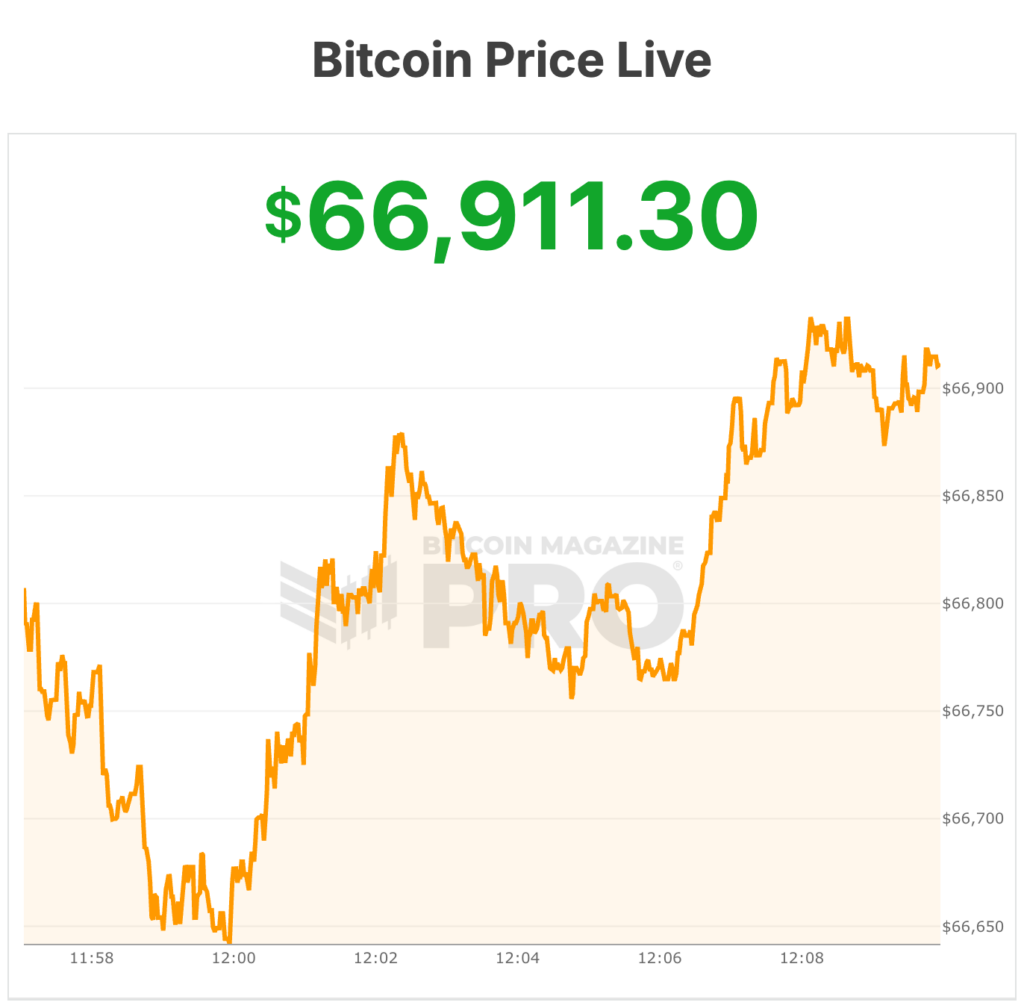





Bitcoin sell pressure is rising as the bitcoin price drifts toward a sixth straight monthly loss, yet underlying flows show a split market where short-term holders exit while institutions absorb supply.
Bitcoin price traded below $65,000 late Tuesday after falling from above $74,000 earlier in March. The move has come alongside a rise in exchange inflows, with about 22,000 BTC sent to trading venues during one session, signaling distribution from recent buyers.
Despite that pressure, price has held above the $60,000 range and remains above long-term support levels.
The key question is where the coins are going.
On-chain data points to a steady transfer of supply from short-term holders to larger entities. Over the past month, roughly 63,000 BTC has been accumulated through spot exchange-traded funds and similar vehicles, offsetting a portion of the selling. That flow suggests demand from institutions has returned after several months of reduced exposure.
ETF data shows inflows have begun to stabilize after a period of sustained outflows.
U.S.-listed spot Bitcoin ETFs have recorded about $1.2 billion in net inflows in March, marking a shift in positioning. The renewed demand has not been strong enough to lift price, but it has helped absorb coins sent to market during periods of weakness.
Short-term holders, defined as wallets holding Bitcoin for less than 155 days, tend to react to drawdowns and volatility. Their selling often peaks during consolidation phases, adding supply at local lows. That pattern has emerged again as Bitcoin price struggles to reclaim momentum following a failed push above $76,000 earlier in the month.
At the same time, the supply available from these holders is finite. As coins move into longer-term storage or institutional vehicles, liquid supply tightens. If demand remains steady, that dynamic can create a base for future price stability.
Bitcoin price’s six straight months of losses
Still, macro conditions continue to shape the broader trend. Bitcoin is on track to match a rare six-month losing streak, last seen in 2018-2019. A monthly close below $67,300 would confirm the sequence, reflecting persistent pressure across risk assets.
Unlike past cycles, Bitcoin price has not yet broken below its 200-week moving average or realized price, levels that have marked prior bear market lows. That has left the market in a middle ground, with neither capitulation nor clear recovery, according to Bitcoin Magazine Pro data.
Nicolai Sondergaard, research analyst at Nansen, said positioning reflects uncertainty tied to macro drivers.
“Bitcoin still looks range-bound here, not outright weak but not in a clean risk-on regime either. Spot holding around $67,685 alongside exchange outflows suggests there is still underlying accumulation, but options positioning into end-of-week expiry reflects uncertainty more than conviction, with skew and IV being shaped primarily by macro inputs, dollar strength, and rate repricing rather than crypto-native demand,” Nicolai wrote to Bitcoin Magazine.
Macro signals have taken priority over crypto-specific catalysts. Oil prices above $100, shifting expectations for rate cuts, and geopolitical tensions have driven capital allocation decisions. Bitcoin price has remained correlated with equities and other risk assets, limiting the impact of internal flows.
Bitfinex analysts pointed to a change in institutional behavior as a key development.
“Institutional flows have undergone a clear regime shift. After a strong accumulation phase in early March, ETF flows have turned decisively negative, culminating in some of the largest single-day outflows from IBIT. This reversal signals active de-risking by institutional participants rather than passive rotation, removing a key pillar of support for price,” they shared with Bitcoin Magazine.
They added that broader liquidity conditions continue to dominate.
“Bitcoin has remained correlated with broader risk assets and has participated in ongoing institutional de-risking. This behaviour reflects the dominance of liquidity conditions in the current regime, where rising yields and tighter financial conditions are driving capital allocation decisions.”
For now, the market reflects a balance between distribution and absorption.
Short-term holders continue to sell into weakness, while institutions step in during dips. The outcome of that standoff will depend less on crypto-specific demand and more on whether macro conditions ease enough to support renewed risk appetite.
At the time of writing, the bitcoin price is less than $67,000.